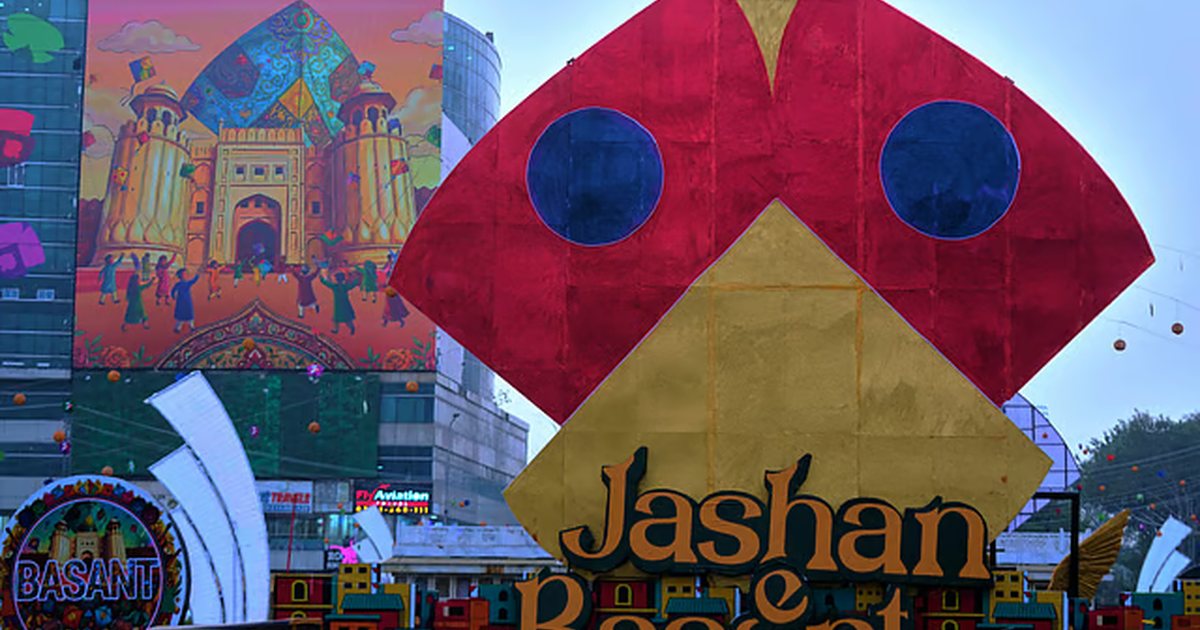
Almost every kite flown at Basant is the same shape: a diamond with a bowed cross-spar. What changes is the design on it — colour, panels, patches — and a smaller number of shaped kites bought as much for the look as for the flight.
This page is about design and shape. What each kite is called, and the gudda/patang distinction the law makes, is on the types of kites page.
Why the diamond wins
The diamond with a bowed kamaan is stable, climbs in light wind, turns quickly on the line and is easy to make balanced. It is the shape that suits rooftop flying and pech. Everything else is a variation on it or a novelty alongside it.
Common designs
Most designs are panels of coloured paper glued together, and the names vary by mohalla. The patterns you will see most:
- Plain single colour. The cheapest and the most common in a stack.
- Two-tone split. The kite divided down the spine or across the kamaan in two colours.
- Panels and bands. Three or more colours in stripes or blocks.
- Patches and eyes. Circles or shapes glued on — decorative, and they add a little weight, which changes the balance.
- Printed kites. Logos, flags and festival designs printed on the paper, used for events and giveaways.
The traditional fighter kite has its own anatomy, and the parts have names: the upper bow is the dhol, framed by a pair of equal sticks, the kamaan jodi; below it sit the nukka, paindi and phumman. Designs are laid out around those parts: colour blocks follow the dhol, bands run along the spine, and a contrasting patch at the tail end is common. When a customer asks for a kite "like that one", it is usually the colour layout on those parts they mean.
Does design affect flying?
A little. Two things matter:
- Weight balance. Heavy patches on one side make the kite lean. A well-made design is symmetrical in weight, not only in looks.
- Glue lines. Every panel joint adds a seam of glue. Many panels make a heavier, slightly stiffer kite that needs more wind.
For a pech, a plain kite of good paper beats a fancy one of poor paper every time.
Shaped kites
Pari kites have wing-like extensions and are bought for how they look in a sky full of plain paper. Tukkal kites carry a tail and sit steadily rather than dart. Butterfly, delta and other novelty shapes exist but are rarely what Lahore flies at Basant: they need more open space and steadier wind than a rooftop gives.
Size comes before design
Whatever the design, the kite must be inside the legal limits for 2027: 35 × 30 inches for a patang and 40 × 34 inches for a gudda. An oversized decorative kite is not a statement piece — it is a confiscation. How to measure a kite.
Frequently asked
What is the most common kite shape in Pakistan?
The diamond with a bowed cross-spar, used for both the patang and the gudda.
Does the design of a kite affect how it flies?
A little. Uneven weight from patches makes a kite lean, and many glued panels make it heavier. For flying, good paper matters more than decoration.
What is a pari kite?
A kite with wing-like extensions rather than a plain diamond, bought as much for its look as its flight.
Are big decorative kites allowed at Basant?
Only within the legal size limits: 35 × 30 inches for a patang and 40 × 34 inches for a gudda.
Kites, dor and everything that goes with them
The 1 tawa gudda is Rs 350 and the 1.5 tawa is Rs 450, both sold singly and inside the legal size limits. See the products and prices.
Selling is paused while our registration is suspended by the Punjab Government — see the notice. The products and prices stay published so you can plan, and we answer questions either way.
- Patang & gudda
- Cotton dor
- Pinnay
- Gloves
- Tape
- Delivery in Lahore