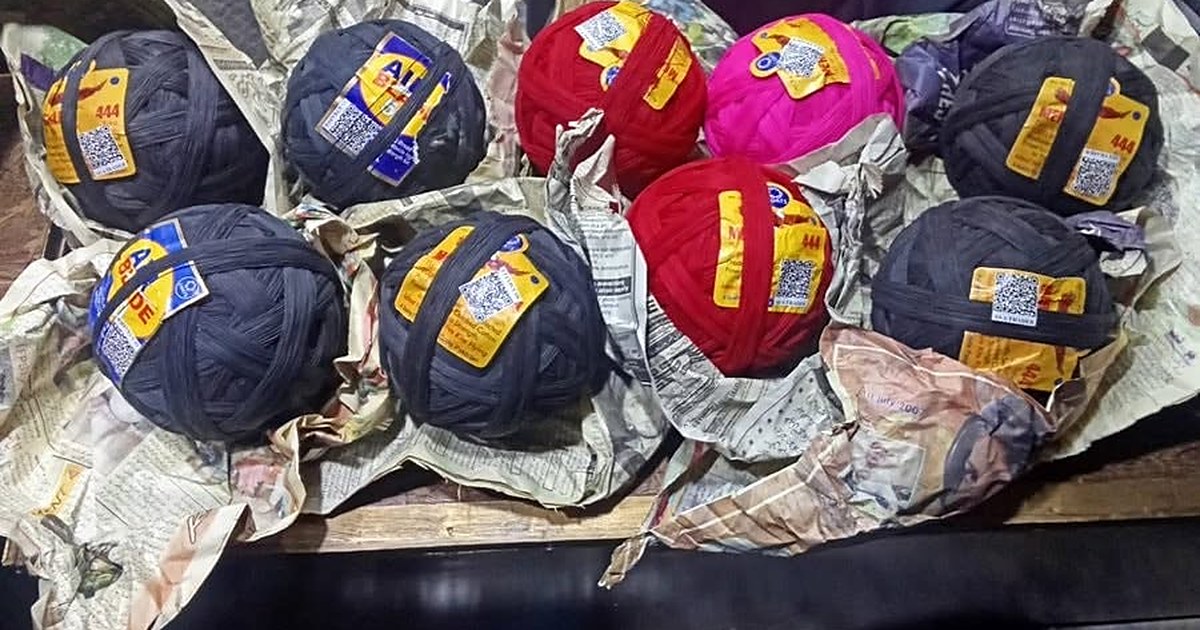
Most of Pakistan types it dor. The shops write dor, the rules write dor, and everyone means the same thing: the cotton line you fly on. Whatever you call it, it is the largest single line in a Basant budget — and the one buyers understand least.
This guide explains what sets the kite dor price in Pakistan rather than quoting rates, because rates move with the season, with the rupee, and with what the province permits. For current numbers, read a seller’s published list.
Dor, and the spellings you will see
The correct spelling is dor. A great many people type door or doree into a search box, and shop signs vary, but it is one word and one product. It is one Urdu word, ڈور, spelled several ways once it reaches a search box. Treat the spelling as noise. What matters is the four numbers below, and whether the seller will tell you them.
Four things set the price
Tar. The number of cotton threads twisted together. More tar is more material and more strength, and it costs proportionally more. The legal ceiling is 9 tar. It also changes how the line behaves: heavier line sags, which alters how a kite sits and how fast it answers your hand.
Count. How fine the yarn is. The legal floor is 28 count. Finer yarn at the same tar gives a smoother, better-mannered line.
Length. The variable most quietly adjusted. Two pinna at the same price often hold different lengths, and the cheaper one is frequently not cheaper per yard.
Winding. The one buyers overlook and flyers care about most. Badly wound dor snags on release and knots at exactly the wrong moment. It is skilled work, it is priced accordingly, and it is invisible in a photograph.
Compare per yard, not per spool. Ask the length before you compare two prices. It is the single question that separates a real quote from a number.
How the grades compare
Dor is sold wound as a pinna, by piece count. Piece count is the big move; grade is the smaller one.
| Type | Where it sits |
|---|---|
| 2-piece pinna | The entry point — one or two flyers, a single session |
| 4-piece, standard | Roughly double the line, and close to double the price |
| 4-piece, premium | A smaller step, bought for winding rather than quantity |
| 4-piece, export grade | The top of the lawful range |
Nothing in the specification changes as you climb: the tar and count limits apply to every grade. Above standard you are buying consistency, not more line. How gudda, patang and pinna are priced sets the rest of a season’s spend in proportion.
You can buy pinna from Basant Shop: the 2-piece pinna is listed on its own at a published price — plain cotton, inside the 9 tar and 28 count limits, wound on a QR-coded ball. No charkhi, and nothing bundled you did not ask for.
Why the cheapest dor is the expensive one
If a quote sits far below the rest of the market, the explanation is almost never efficiency.
Chemical-coated and metallic line is cheaper to make and cuts better, which is precisely why it is banned and precisely why it reappears at suspiciously low prices every season. The prohibited list is metallic wire, nylon cord, chemical-coated string, glass-coated manjha and any sharp-coated line. Charkhi are prohibited too — lawful dor is sold in pinna form.
Buying it is not a saving. Flying with banned string carries 3 to 5 years and/or a fine up to Rs 2 million; making, trading or selling it carries 5 to 7 years and/or up to Rs 5 million, and both offences are cognizable and non-bailable. Punjab Police enforcement runs through the season, not just the festival weekend.
The full specification gives you the positive test to apply instead.
Six questions before you pay
- What is it made of? The word you want is cotton, offered without hesitation.
- What tar? Maximum 9.
- What count? Minimum 28.
- What length? Then work out the cost per yard yourself.
- Can I see the winding? Even, tight, no crossed layers.
- Does the pinna carry a QR code? That ties it to a registered manufacturer.
A listing that gives one number for “dor” with no specification is not a price, it is a placeholder. What a published price list should contain covers the rest, and the four questions check the seller themselves.
Matching dor to your kite
Ply follows the kite, not your ambition. Light line on a 1.5 tawa gudda snaps on the first serious gust and you lose both. Heavy line on a small patang drags it out of the sky. The flying guide covers line management and pech.
Budget for gloves as part of the line, not as an extra — and for tape, which goes round your fingers before you fly rather than on the kite. Cotton under load opens a bare hand, and it is the most common injury on any roof.
You can buy it from Basant Shop directly: the 2-piece pinna, kites by the tawa grade, gloves and tape — each listed singly with its price. Orders are booked on WhatsApp and confirmed with 50% advance, and they are delivered once the Punjab Government announces the season and our certificate is reissued.
Frequently asked
What is the price of kite dor in Pakistan?
Is dor the same as door?
Does higher tar cost more?
Why is some kite dor so cheap?
How do I compare two pinna on price?
Kites, dor and everything that goes with them
Everything sold singly from Lahore, at a published price — kites by the tawa grade, 100% cotton dor on QR-coded pinnay, and the gloves and tape that stop the afternoon going wrong. Buy only what you need.
- Patang & gudda
- Cotton dor
- Pinnay
- Gloves
- Tape
- Delivery in Lahore
Selling is paused while our registration is suspended by the Punjab Government — see the notice. The products and prices stay published so you can plan, and we answer questions either way.